Category:
Drivers Camp
Author:
How Marques
Read:
5 minutes
Location:
Houston
Date:
Pernambuco resident "dived" into the Drivers Camp in Houston, in the specialized structure to sharpen the performance of the team's drivers.
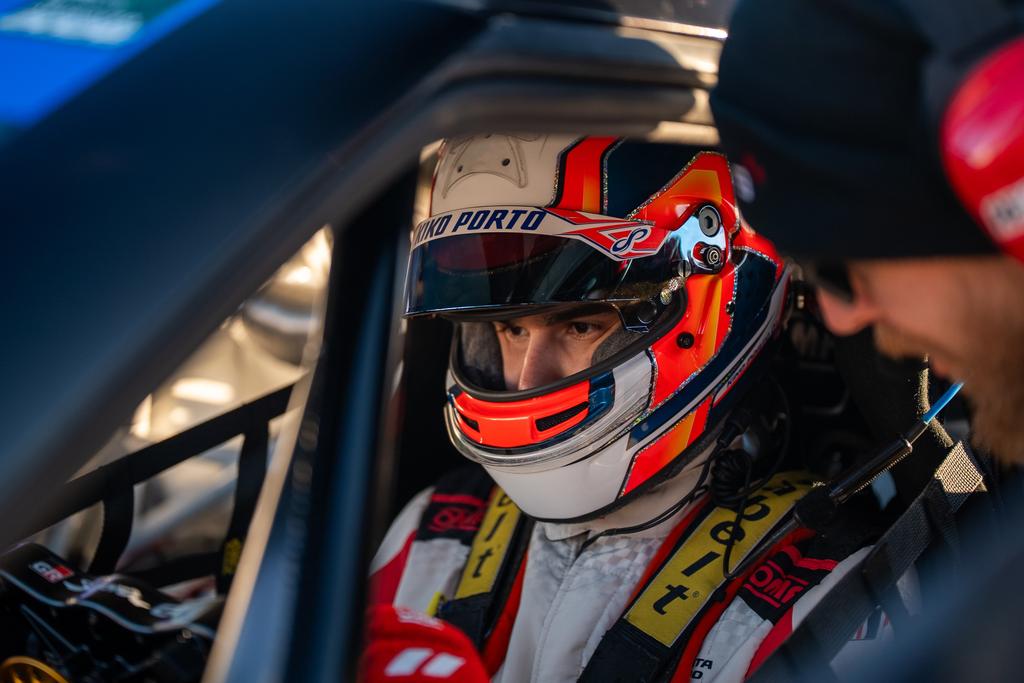
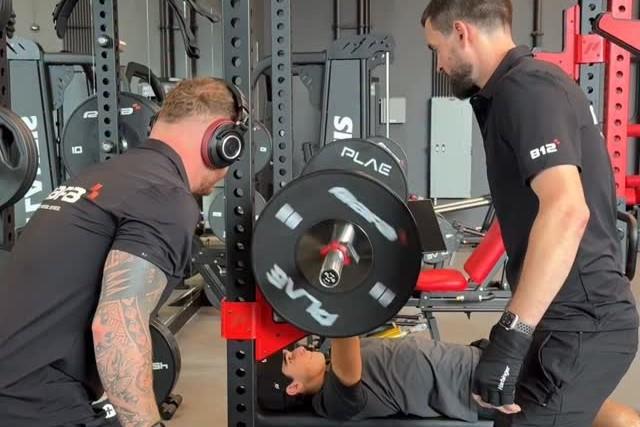
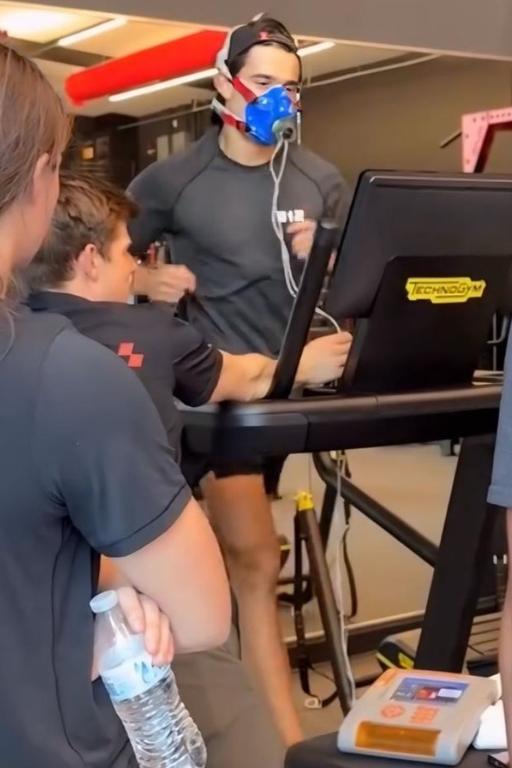
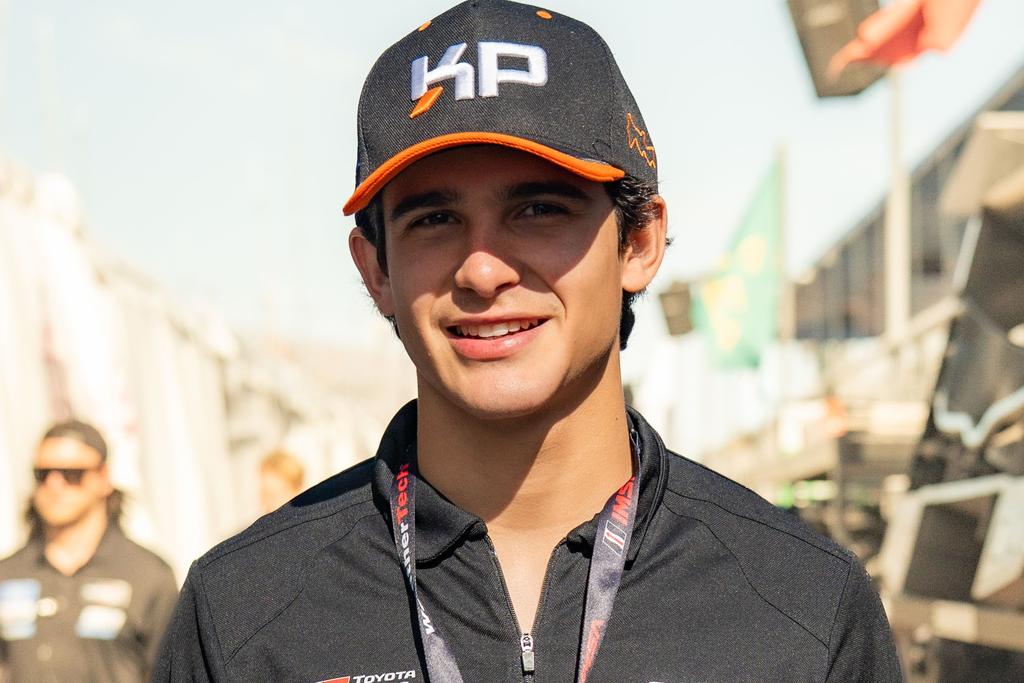
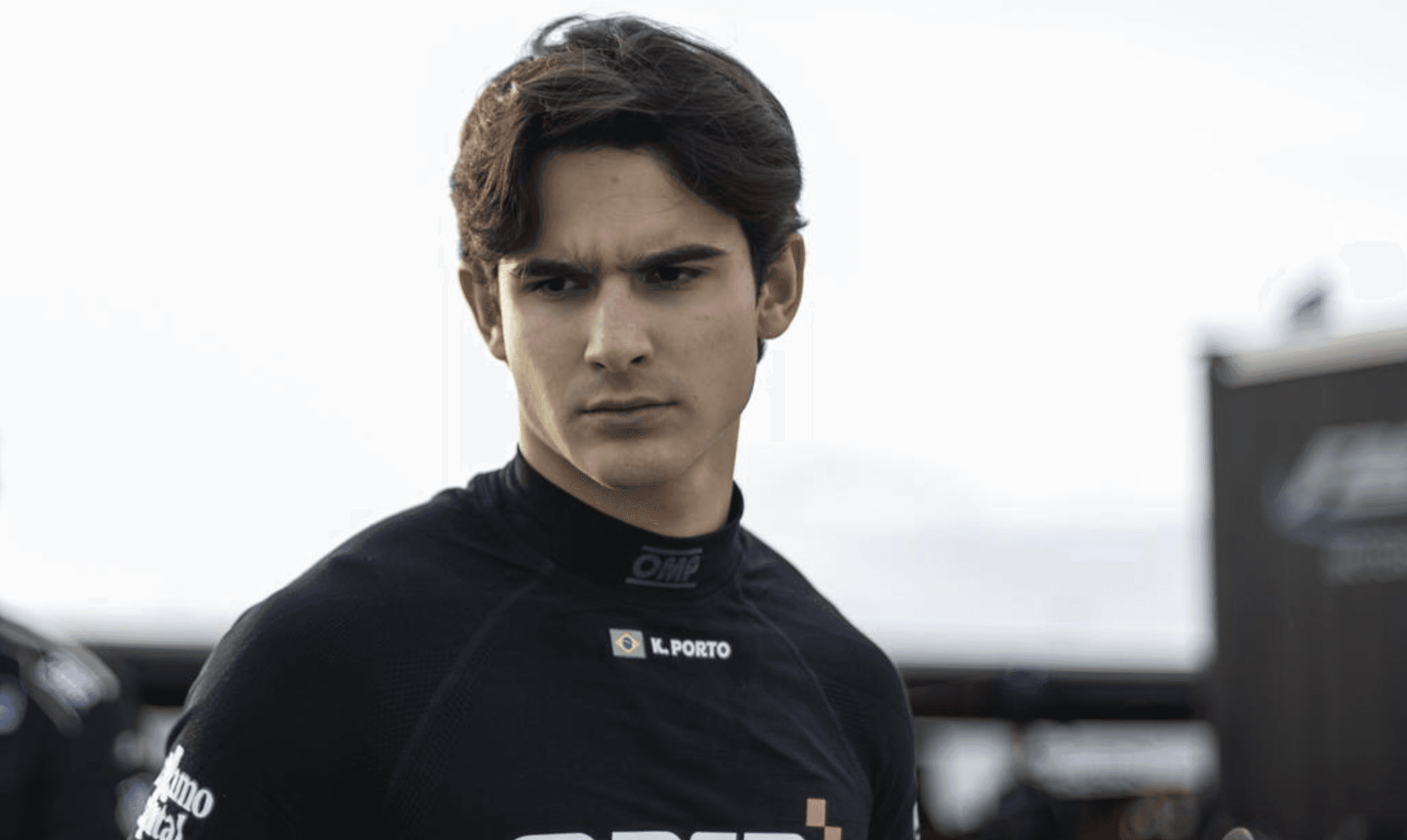
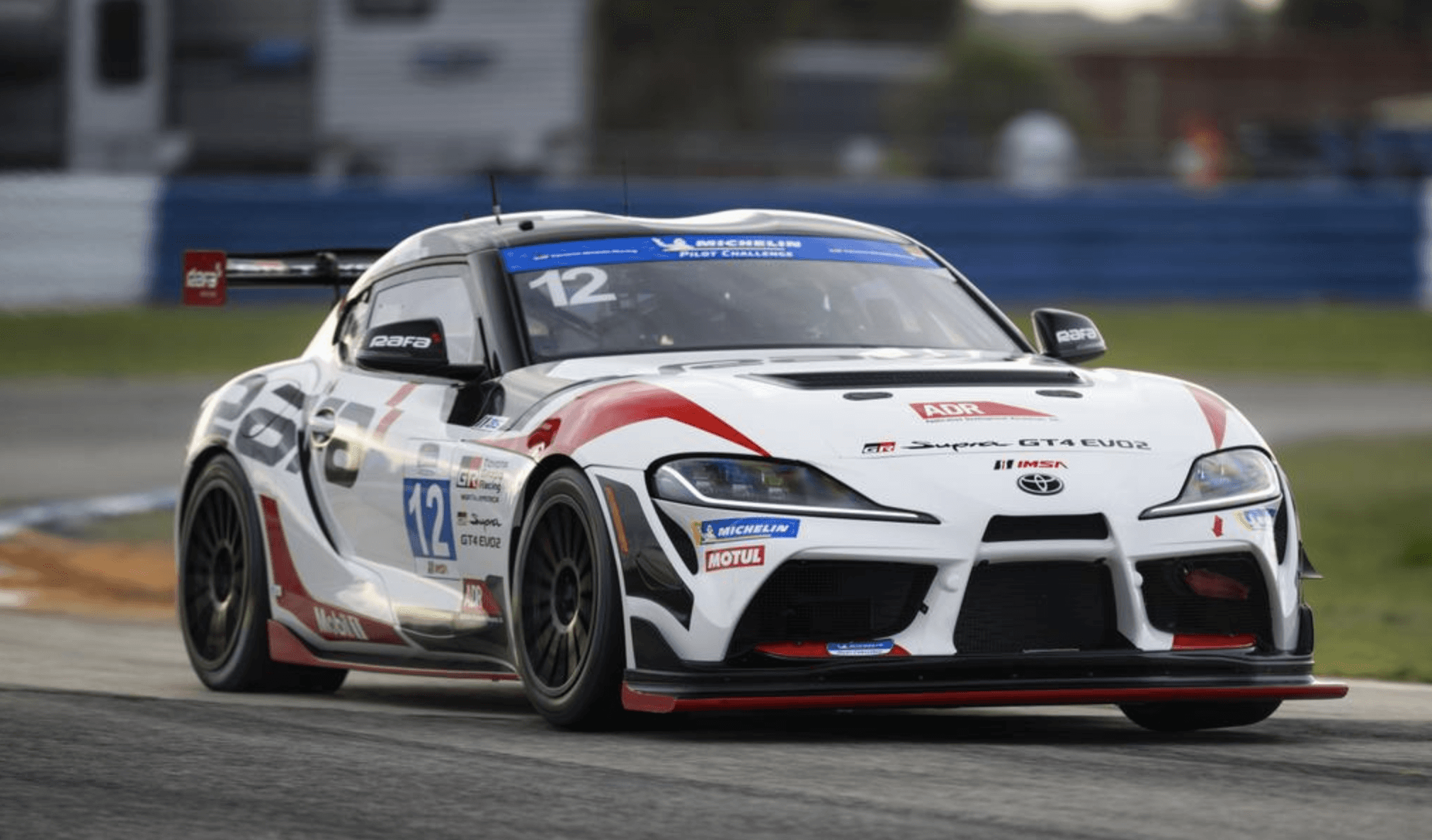
Houston (USA), February 26, 2026 Two weeks away from the next stage of the IMSA Michelin Pilot Challenge, Pernambucano driver Kiko Porto (Banco Daycoval / Toyota Gazoo Racing / Team: Rafa Racing) is not wasting any time. While the schedule of the American competition is on a break, the Brazilian was at his team's Training Center, Rafa Racing, in Houston, participating in an intense Drivers Camp designed to keep him in peak physical condition ahead of the challenges awaiting him on the track. The training program lasted two and a half days and was conducted with complete focus on the specific demands of high-level motorsport. Away from the limelight of the tracks, it is in this kind of background that great results are built, and Kiko Porto knows this better than anyone. Each session was designed to extract the maximum from the driver, both physically and from the perspective of recovery and sustained performance throughout a race. "We had several tests, maximum VO2, metabolic tests at rest, among others. It was really nice to be here with everyone from the team to train before the next race," Kiko Porto shared. Rafa Racing's Training Center is not a conventional gym. The facility was designed and built 100% focused on the needs of racing drivers, taking into account the physical and physiological particularities imposed by motorsport. From warm-up to recovery, every detail was thought out to serve performance within the cockpit, including even a kitchen and the support of a dedicated nutritionist for the team's crew. The difference also appears in the equipment available at the facility. Some of the machines are not found in conventional gyms, using compressed air as a resistance mechanism, to generate the necessary pressure during workouts. This resource allows for more precise and safer adjustments, tailored to the specifics of each driver and each muscle group worked on. Among the equipment that stands out is a “simulator” that reproduces the feeling of the car's brake pedal, subjecting the driver to variations of force and resistance that mirror the real conditions of a race. Training with this level of specificity makes all the difference when aboard a Toyota GR Supra GT4 EVO2 at high speed. The recovery structure of the center is another impressive point that Kiko Porto made a point of highlighting enthusiastically. According to the driver, the space offers a complete set of resources for the body to recover in the most efficient way possible after intense sessions. "Additionally, we have a recovery room, an infrared sauna that helps with recovery after training, a cold plunge, that 'bathtub' with ice, and a hot tub, which is the opposite: it heats up to relax the muscles," described the Brazilian. The Pernambucano driver comes from winning the title at VP Racing in 2025 but saw his debut in the IMSA Michelin Pilot Challenge postponed. In the opening race in Daytona, the number 12 Toyota GR Supra GT4 EVO2 from Rafa Racing was damaged after an accident involving his teammate Varun Choksey, still in the first half of the race. Nothing that happened in Daytona shook the duo's focus on the championship's continuation. On the contrary, the incident seems to have only reinforced their determination for the upcoming battles. "This kind of thing is part of the racing world. The important thing is that nothing happened to Varun and our duo is going strong to Sebring," Porto stated. The next opportunity for Kiko Porto and Varun Choksey to put the number 12 Toyota GR Supra GT4 EVO2 from Rafa Racing to the test will be at the Sebring International Raceway in Florida, between March 12 and 15. Text by Kako Marques / KMCom Assessoria